
Women Interactive Materials Award
September 2027

For talented, creative, and passionate young female researchers
The WIMA is a young scientist award launched in 2021. Initiated by DWI's working group "Equal Chances and Diversity", the award is specifically targeting female scientists from the research field of active and interactive materials. It's aim is to support women in their early academic careers and provide them with a platform to increase their visibility.
We are honored to already host the 7th WIMA edition in Aachen in 2027.
Full details about the upcoming WIMA, the conditions for participation, and the 2027 on-site finals in Aachen can be found in the section Application and Timeline.
Support from Industry & Academia
The award is sponsored by the generous financial support of the ALTANA Group, a global leader in specialty chemicals for innovative technologies, the Association of Friends of DWI and the Leibniz Research Alliance Leibniz Health Technologies.
Every year, three winners will be chosen and honoured with prize money of 15,000 EUR in total: 1st place 10,000 EUR prize money and 2,500 EUR for each of the 2 runner-ups.
The Jury 2027
Each year, the jury consists of members from industry and research, including last year’s winner. A great opportunity to change perspectives and return to the WIMA one year later.
Petra Severit
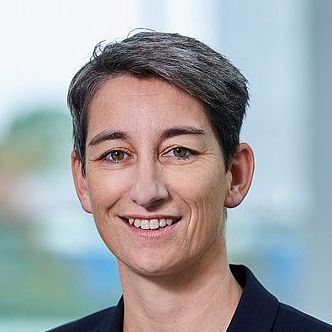
Petra Severit, chemist by training, is a passionate, authentic and truly international leader with over 20 years of diversified background in engineering, R&D and business in global executive positions in the automotive supplier industry and the chemical industry. She has R&D management experience in product development, innovation, analytical laboratories, basic research and application development. Additional to the technical background she has work experience in strategy, strategic sourcing, business development and as managing director, as well as board member.
Lucía López Gandul
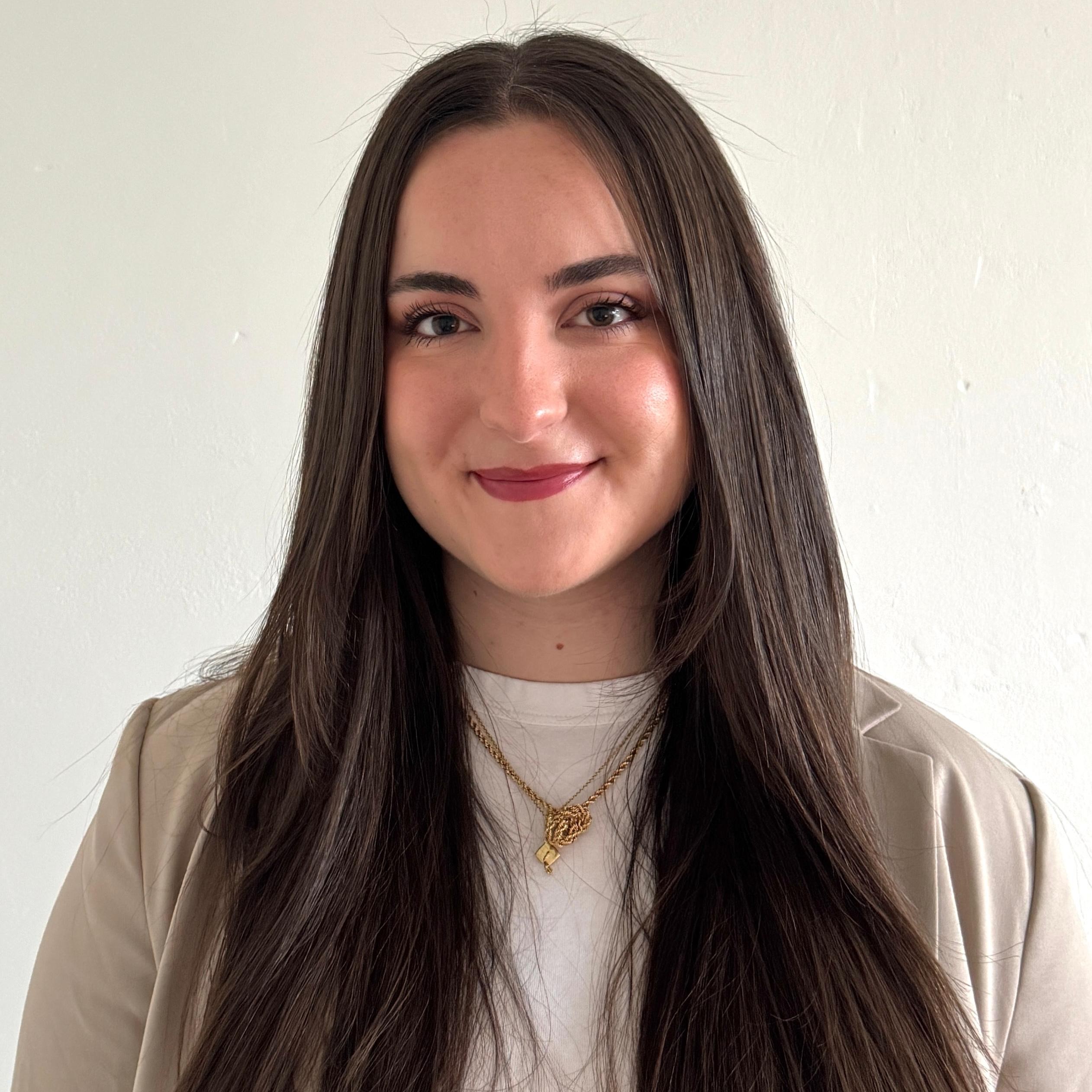
Lucía López Gandul, WIMA winner of 2026, is currently a postdoctoral fellow at Leiden University, Institute for Chemistry (LIC).
Laura De Laporte
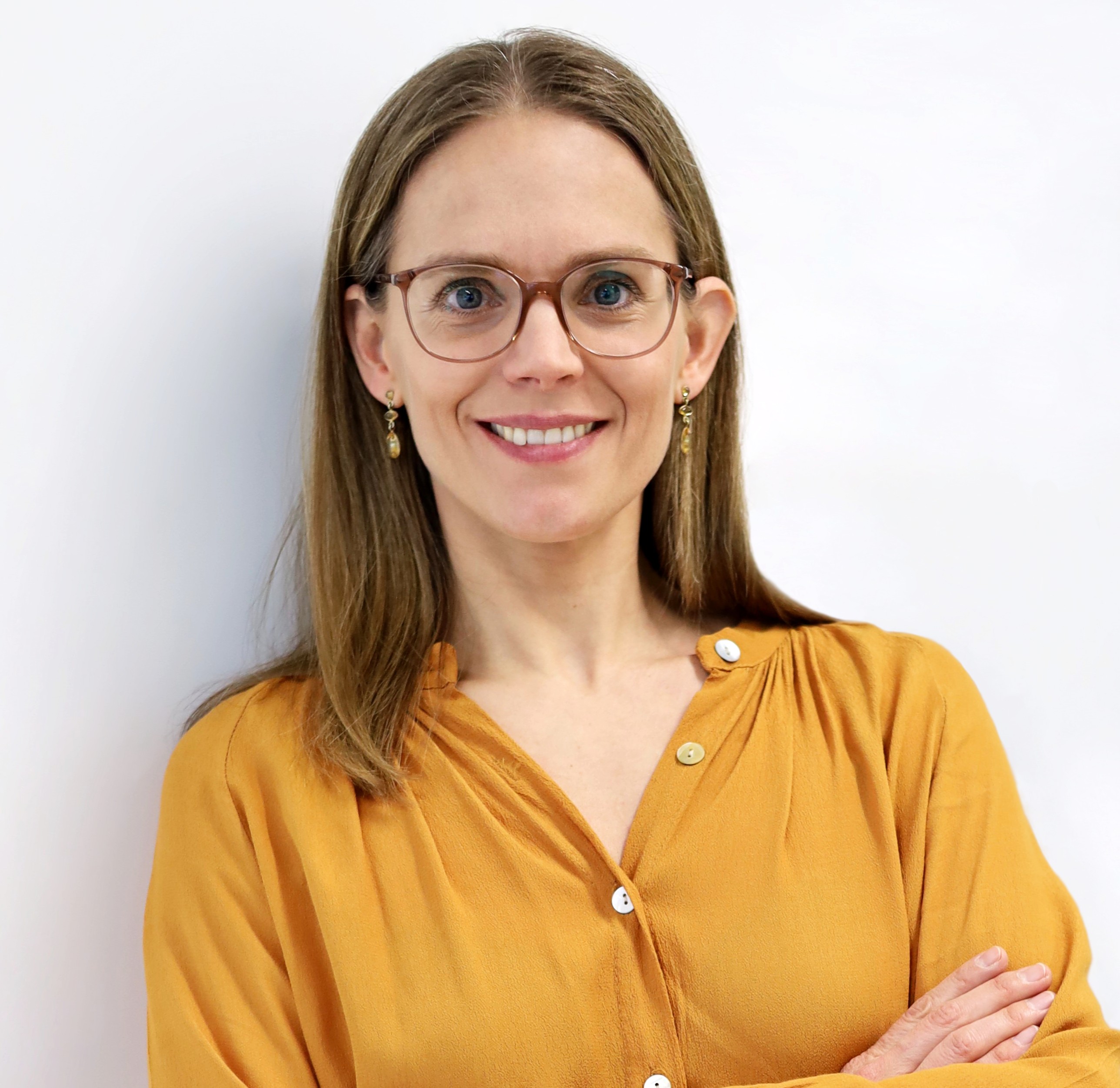
Laura De Laporte is one of the founders of WIMA, which was established in 2021. Her research focuses on the development of biohybrid and bioinspired materials for advanced medical applications, for example to replicate the complex structure of natural tissues. To achieve this, she is working on new synthetic material concepts and new methods of manufacture, combining engineering, chemistry and biology to design biomaterials that control and direct the interaction with cells. Her team designs low-invasive, polymeric regenerative hydrogel therapies, consisting of nano –and micron-scale building blocks that orient after injection to repair anisotropic tissues, such as the spinal cord. In addition, dynamic hydrogels are created for drug delivery and to study mechanobiology.